|
Getting your Trinity Audio player ready...
|
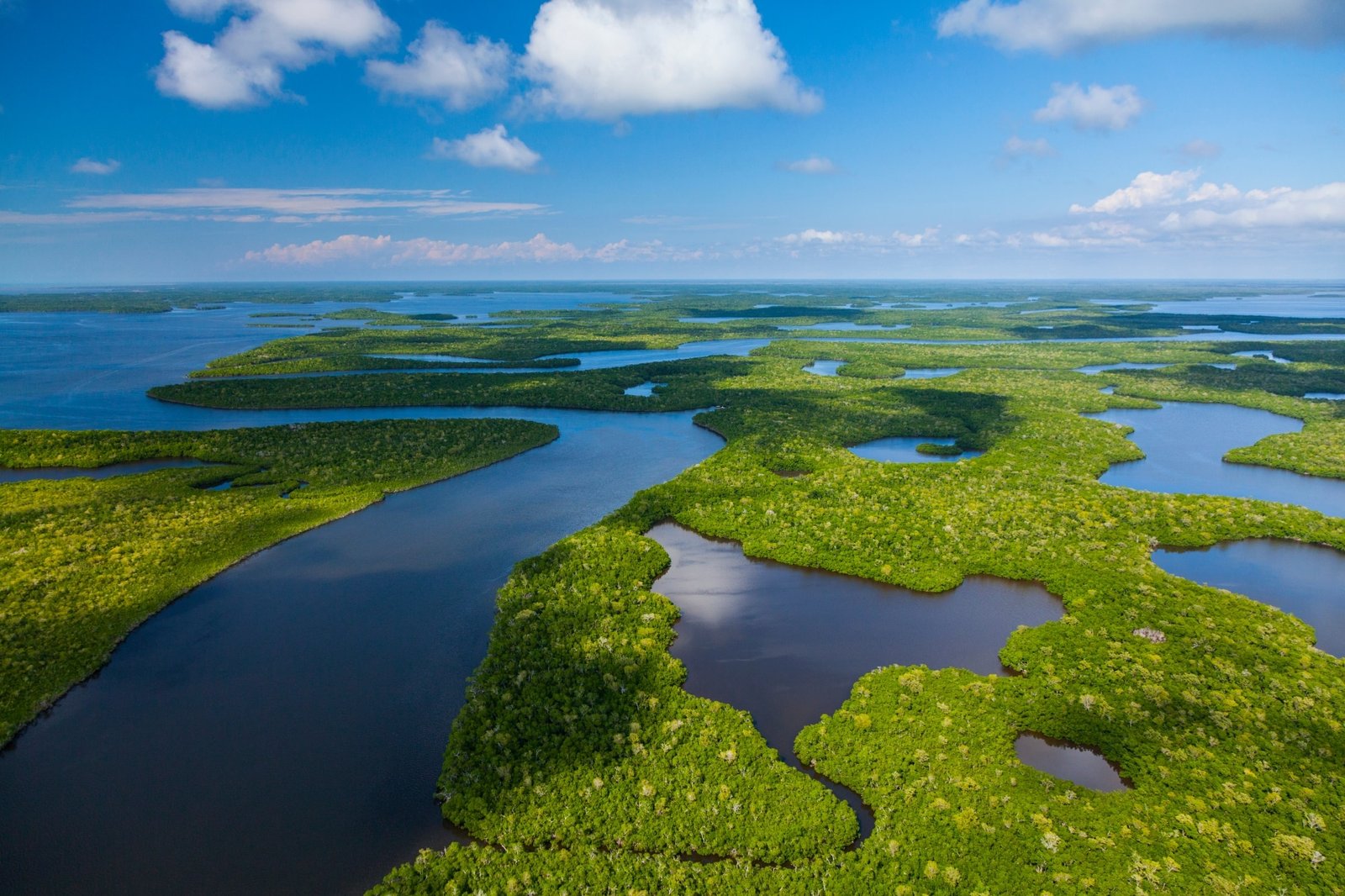
Located in South Florida, Everglades National Park covers approximately 1.5 million acres of subtropical wilderness. It is recognized for its extensive wetlands, diverse wildlife, and interconnected ecosystems that support hundreds of animal and plant species.
The Everglades is also a UNESCO World Heritage Site, an International Biosphere Reserve, and an internationally important natural environment.
For travelers seeking something beyond conventional sightseeing, the Everglades offers a chance to appreciate nature at a slower pace.
Popular Attractions and Activities in the Everglades
The Everglades offers several ways to experience its landscapes. Whether you prefer walking along nature trails or exploring waterways, there are activities suited to different interests and fitness levels.
1. Explore the Anhinga Trail.
The Anhinga Trail near the Royal Palm area is one of the most popular places for wildlife observation. Its accessible boardwalk takes visitors through a sawgrass marsh where they may encounter alligators, turtles, anhingas, herons, and other native birds.
The trail covers approximately 0.8 miles round trip, making it a convenient option for families, casual hikers, and first-time visitors.
Bring binoculars if you enjoy birdwatching. They make it easier to observe wildlife without approaching animals or disturbing their natural behavior.
2. Experience Shark Valley.
Shark Valley provides a different perspective of the Everglades through its scenic 15-mile loop.
Visitors can explore the route by bicycle, on foot, or through a narrated tram tour. One highlight is a 70-foot observation tower offering panoramic views of the surrounding freshwater marsh.
The area is particularly appealing to photographers and wildlife enthusiasts who want to observe the landscape from an elevated viewpoint.
3. Discover the Mangrove Waterways.
The coastal sections of the Everglades offer opportunities for kayaking, canoeing, and guided boat excursions.
Paddling through mangrove tunnels allows visitors to appreciate the intricate root systems and sheltered waterways that provide habitats for fish, birds, and other wildlife.
The Gulf Coast and Flamingo areas are popular starting points for water-based activities. Beginners should consider guided excursions rather than navigating unfamiliar waterways independently.
4. Visit the Flamingos.
Located near the southern end of the park, Flamingo is a destination for visitors interested in coastal scenery and outdoor recreation.
Activities include boating, fishing, wildlife observation, and kayaking. The surrounding waters also provide opportunities to spot manatees, dolphins, and various bird species.
Its combination of coastal habitats and recreational facilities makes Flamingo an excellent addition to an Everglades itinerary.
5. Enjoy Birdwatching and Nature Photography.
The Everglades supports an impressive variety of birdlife, including herons, egrets, ospreys, and other wading birds.
Winter is particularly attractive for birdwatchers because migratory species add to the park’s already diverse wildlife population.
Photographers should consider visiting during the early morning or late afternoon when natural lighting can create beautiful landscape images. Remember to use appropriate camera lenses rather than approaching animals for close-up shots.
Essential Safety Tips for Exploring the Everglades
Although the Everglades offers memorable outdoor experiences, visitors should remember that it is a protected wilderness area. Wildlife encounters, changing weather conditions, and unfamiliar terrain require proper preparation.
Here are practical precautions to consider before your visit.
Keep a Safe Distance From Wildlife
Alligators and crocodiles are among the Everglades’ most recognizable residents. Although observing them can be exciting, they are wild animals that should never be approached.
The National Park Service recommends maintaining at least 15 feet of distance from alligators and crocodiles. If an animal hisses, you are already too close.
Never attempt to touch, feed, or provoke wildlife. Avoid throwing food into waterways or approaching animals for photographs.
Using binoculars or a camera with a zoom lens is a safer way to appreciate wildlife.
Prepare for Heat and Humidity
South Florida’s subtropical climate can make outdoor activities physically demanding, particularly during the wet season.
Wear lightweight, breathable clothing and comfortable walking shoes. Bring sufficient drinking water, sunscreen, and a hat to protect yourself from prolonged sun exposure.
Plan physically demanding activities around your fitness level, and take breaks when necessary.
Protect Yourself From Mosquitoes
Mosquitoes are common throughout the Everglades, particularly during the warmer and wetter months.
Use insect repellent and consider wearing long sleeves and pants when exploring areas with heavy vegetation.
Mosquito activity can increase around dawn, dusk, and on overcast days. Travelers should also check local health advisories before their visit.
Stay on Designated Trails
Avoid wandering into unfamiliar vegetation or entering restricted areas.
Marked trails and boardwalks help visitors navigate the park while protecting sensitive habitats. They also reduce the risk of accidentally encountering wildlife at close range.
Before starting a hike, familiarize yourself with the trail’s length, difficulty, and estimated completion time.
If you plan to explore remote areas, inform someone about your itinerary.
Check Weather Conditions Before Outdoor Activities
The Everglades experiences two distinct seasons: the dry season, generally from December through April, and the wet season, typically from May through November.
The dry season usually offers more comfortable conditions for hiking and wildlife observation. The wet season brings increased rainfall, humidity, and mosquito activity.
Thunderstorms can develop during the warmer months, so check weather forecasts before hiking, boating, or kayaking.
If you hear thunder or see lightning, seek appropriate shelter rather than continuing your outdoor activity.
Follow Water and Boating Safety Rules
Water-based recreation requires additional precautions.
If you are kayaking, canoeing, or boating, use appropriate safety equipment and follow park regulations. Beginners should consider guided tours, especially when exploring unfamiliar mangrove waterways.
Never assume that a body of water is safe for swimming simply because it appears calm. Alligators and crocodiles inhabit different aquatic environments throughout the park.
The National Park Service also prohibits swimming, snorkeling, and diving in certain waterways, including canals, freshwater lakes, marked channels, and boat basins.
Remember, a successful outdoor adventure depends on preparation, awareness, and respect for the environment.
Popular Everglades Tourist Myths Debunked
The Everglades has inspired countless stories, travel misconceptions, and exaggerated wildlife encounters. Some myths come from misunderstandings about animal behavior, while others arise from confusing the region’s geography with its popular tourist image.
Let’s separate common misconceptions from facts.
Myth 1: The Everglades Is Just a Giant Swamp
Fact: The Everglades is a complex ecosystem containing several distinct habitats.
Although wetlands dominate the landscape, the region also includes sawgrass prairies, freshwater marshes, mangrove forests, pine rocklands, and tropical hardwood hammocks.
Its nickname, the “River of Grass,” describes the slow-moving freshwater system that historically flowed south through the region.
Calling the entire Everglades a swamp overlooks the ecological diversity that makes it such an important natural environment.
Myth 2: Alligators Constantly Chase Tourists
Fact: Alligators are wild predators, but they do not automatically pursue every person they encounter.
Like other wildlife, they generally prefer to remain undisturbed. However, their behavior can be unpredictable, and approaching or feeding them creates unnecessary risks.
Visitors should maintain a safe distance and avoid swimming in areas where alligators may be present.
The best wildlife encounters happen when people observe animals without interfering with their natural behavior.
Myth 3: A Motionless Alligator Must Be Dead
Fact: Alligators and crocodiles often remain still for extended periods because they rely on external heat sources to regulate their body temperatures.
Basking in the sun helps these reptiles absorb the warmth they need to function.
An apparently motionless animal may still be alert and capable of moving quickly. Never attempt to touch or investigate an alligator that appears inactive.
This is one reason why following wildlife-viewing guidelines is essential, even when an animal seems harmless.
Myth 4: You Need an Airboat to Explore the Everglades
Fact: Airboat rides are popular, but they are only one of several ways to experience the region.
Visitors can explore designated hiking trails, ride bicycles, join narrated tram tours, kayak through mangrove waterways, or participate in guided boat excursions.
For example, Shark Valley offers a tram experience and cycling opportunities, while the Anhinga Trail provides an accessible wildlife-viewing route.
Choosing an activity depends on your interests, physical abilities, available time, and preferred level of adventure.
Myth 5: Wildlife Is Easy to Spot Everywhere
Fact: Wildlife sightings depend on several factors, including weather, season, habitat, and animal behavior.
Although the Everglades supports an extensive range of wildlife, animals do not appear on demand for visitors.
Some species are more active during particular times of the day, while others remain hidden in vegetation or underwater.
Patience is part of wildlife observation. Much like the unpredictability of outcomes in a perya game, nature does not follow a schedule simply because someone expects a particular result.
Instead of focusing exclusively on spotting a specific animal, appreciate the surrounding environment and the smaller details that make each visit interesting.
Why the Everglades Deserves a Place on Your Travel List
The Everglades is more than a destination for spotting alligators or taking scenic photographs. It represents an extraordinary natural environment where interconnected habitats support diverse wildlife and contribute to the ecological health of South Florida.
For nature lovers, it provides opportunities to observe animals, explore unfamiliar landscapes, and learn about wetland conservation. For travelers, it offers a refreshing alternative to crowded attractions and conventional sightseeing activities.
Perhaps the most valuable lesson from exploring the Everglades is understanding that nature deserves appreciation without unnecessary interference.
Stay curious, prepare responsibly, and give wildlife the space it needs. With the right approach, your Everglades adventure can become an experience worth remembering long after you leave Florida.