|
Getting your Trinity Audio player ready...
|
Traveling to the Sunshine State has never been more popular. Governor Ron DeSantis recently shared that Florida has reached a new tourism milestone, welcoming a record 34.4 million visitors in the second quarter of 2025. This unprecedented level of second-quarter travel reinforces the state’s standing as the leading travel destination in the United States.
Whether you are part of this record-breaking wave or planning a future getaway, navigating Florida for the first time requires more than just a swimsuit and sunscreen. From the bustling theme parks of Orlando to the serene, crystal-clear springs of the north, the state’s diversity is as vast as its coastline.
To ensure your trip is as seamless as it is memorable, it is essential to understand the local nuances of traversing such a large, high-traffic destination.
This guide provides the essential insights first-time visitors need to navigate the Sunshine State successfully.
Understanding Florida’s Climate Beyond the Sunshine
Although Florida is widely known as the Sunshine State, its climate is far more dynamic than constant, clear skies. The state’s subtropical weather brings intense heat and humidity, especially from May through September.
Summer afternoons often feature fast-forming thunderstorms. These storms can disrupt outdoor plans and create sudden driving hazards for those unaccustomed to heavy rain. According to CBS News, Florida experienced direct impacts from six hurricanes between 2022 and 2024. This included four Category 3 or stronger storms, with Gulf Coast areas like Citrus County sustaining repeated damage.
The 2025 season has produced 13 named storms and five hurricanes, including multiple Category 3 and 5 systems. Even without a direct hit, tropical activity can bring prolonged rain and rough surf. While winter offers milder weather, occasional sharp cold fronts can surprise visitors. Consequently, daily forecasts and flexible planning are essential.
Navigating Florida’s Vast Geography
First-time visitors often underestimate just how large this state is and how far its destinations are from one another. Stretching more than 400 miles from north to south, the state requires thoughtful planning rather than ambitious, cross-state itineraries. Driving from Miami to the Panhandle can take nearly a full day, making it difficult to experience multiple regions in a short trip.
According to Travel + Leisure, iconic destinations like Miami and the Florida Keys live up to their reputation. Florida’s true appeal, however, also lies in slower-paced gems such as Crystal River, Naples, St. Augustine, and Amelia Island. Crystal River offers serene Gulf Coast waters and striking natural beauty, while Naples is known for upscale beaches and refined dining.
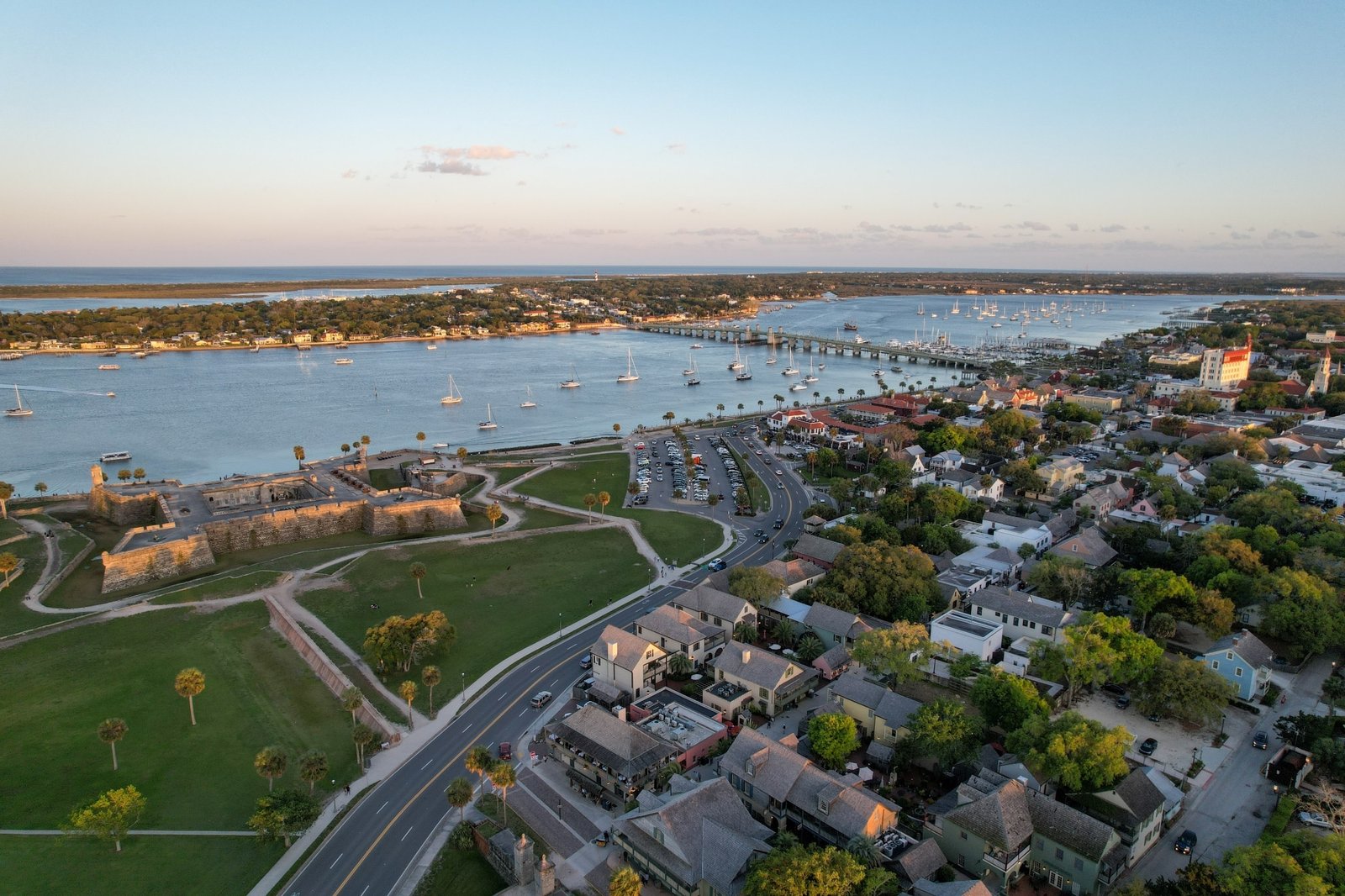
Historic St. Augustine provides walkable charm and deep cultural roots, and Amelia Island delivers quiet coastal scenery without crowds. Focusing on one or two regions allows travelers to appreciate the state’s diversity without sacrificing time to long drives.
Wildlife Awareness and Water Safety
Florida’s natural beauty comes with wildlife encounters that require awareness and respect. Alligators live in most freshwater bodies, including ponds, lakes, and canals, so visitors should never swim in unmarked freshwater or approach wildlife. In coastal areas, rip currents pose a serious risk; if caught, swim parallel to shore rather than against the current.
Seasonal marine life such as jellyfish, stingrays, and Portuguese man-of-war also warrant caution. While venomous snakes exist, encounters are uncommon in developed areas when visitors stay on marked paths and heed warnings.
At the same time, Florida offers remarkable wildlife experiences when enjoyed responsibly. According to National Geographic, Fort Myers and nearby areas provide unforgettable, well-managed encounters, including:
- Witnessing loggerhead turtle hatchlings (May–October) under star-lit, light-restricted beaches
- Dolphin cruises with year-round resident pods
- Exploring mangroves at JN “Ding” Darling National Wildlife Refuge
- Kayaking with manatees (mid-November–March) at Lee County Manatee Park
- Visiting Butterfly Estates to support conservation and education
Legal Safeguards for Injured Visitors
Accidents can occur even on well-planned vacations. Understanding the state’s personal injury laws is essential for protecting your rights if something goes wrong. If you are injured while in Florida, it is important to know that the state follows a modified comparative negligence rule.
According to Lesser, Landy, Smith & Siegel, PLLC, injured individuals may recover compensation as long as they are 50% or less at fault. In these cases, damages are reduced by your share of responsibility. For instance, being 20% at fault results in a 20% reduction in your final compensation.
Florida’s premises liability laws further require property owners, including hotels, restaurants, and attractions, to maintain reasonably safe conditions. Common incidents often stem from car accidents, slip-and-falls, or poorly maintained grounds. If negligence is involved, document the incident immediately by taking photos, collecting witness information, and filing official reports.
Seeking medical care is also vital to establishing a record of your injuries. Because Florida law imposes strict deadlines for filing claims, consulting an attorney promptly will help preserve your rights while you focus on recovery.
Theme Park Strategies and Expectations
Florida’s world-famous theme parks, like Walt Disney World, Universal Orlando, and Busch Gardens, offer unforgettable experiences but demand careful planning. These destinations are often far larger and more crowded than first-time visitors expect, especially during peak seasons like summer and spring break.
Moreover, Travel And Tour World reports that Disney has adopted dynamic pricing that raises ticket costs during peak demand. For the first time, a single-day Magic Kingdom ticket will reach $209 plus tax during the Christmas and New Year’s period.
To manage both expenses and crowds, plan visits during off-peak months like September, October, or January. Buying tickets in advance can lower overall costs, while optional skip-the-line passes offer faster access to attractions for an added fee.
Arriving early, tackling high-demand rides first, and using official park apps to track wait times can greatly improve your experience. Just as important, stay hydrated, take breaks, and set realistic goals as theme parks reward steady pacing, not rushing through a packed checklist.
Frequently Asked Questions
What’s the best time to visit Florida?
The ideal time for most visitors is November through April, offering comfortable temperatures, lower humidity, and minimal rain. March and April provide warm beach weather without summer’s intense heat. However, this period sees higher prices and crowds, particularly around holidays and spring break.
Do I need a car to visit Florida?
For most Florida destinations, yes. While Miami Beach and some areas have public transit, the state’s sprawling layout makes rental cars essential for theme parks, beaches, and most attractions. Only visitors staying exclusively in walkable urban cores can realistically avoid renting vehicles.
Are Florida beaches safe for swimming?
Generally, yes, but caution is essential. Swim only at guarded beaches, heed warning flags, never swim alone, and watch for rip currents. Avoid freshwater swimming in unmarked areas due to alligators. Check local conditions for jellyfish or other seasonal hazards before entering water.
Florida offers unforgettable experiences, but first-time visitors benefit most from informed planning and realistic expectations. Understanding the state’s climate, geography, safety considerations, and legal protections helps turn potential challenges into manageable details. With preparation and awareness, travelers can enjoy everything Florida has to offer with confidence, comfort, and peace of mind.