|
Getting your Trinity Audio player ready...
|
Ever walk through an older home and wonder if the creaky floorboards and vintage charm are worth the upkeep? A lot of Hillsborough homeowners wrestle with the same question—how do you modernize a place with history without stripping away its character? In this blog, we will share the most reliable and practical ways residents are updating older homes in Hillsborough to meet today’s standards while keeping their soul intact.
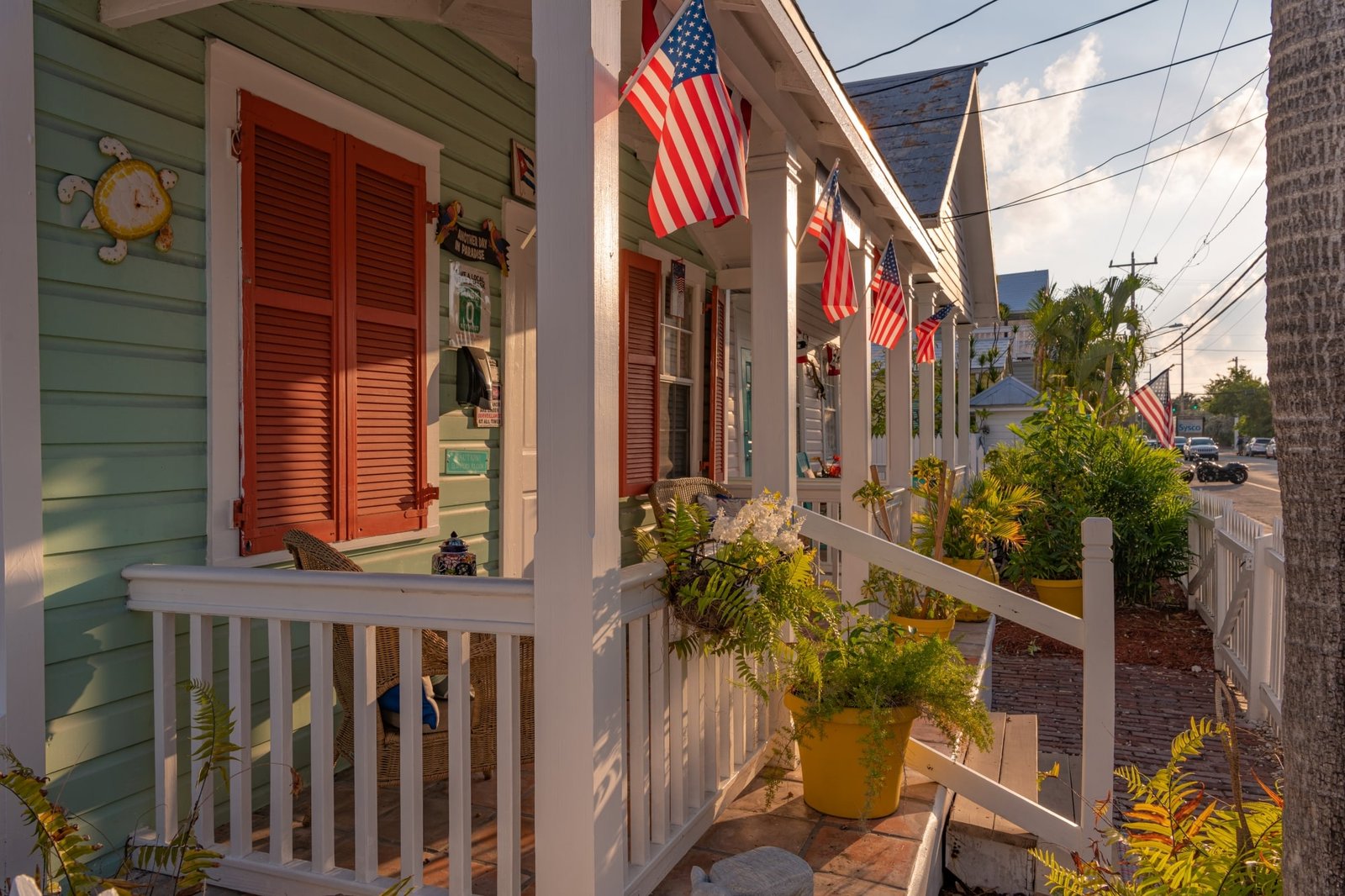
Modern Upgrades Without Losing the Past
Hillsborough has no shortage of beautiful older homes. Mature oaks line the streets, and the properties reflect decades—sometimes a century—of design evolution. But with that history comes a long list of deferred maintenance, outdated systems, and, in many cases, layouts that no longer suit modern living. Open floor plans? Not a thing when these homes were built. Smart home tech? A far cry from knob-and-tube wiring.
Updating an older home starts with assessing structure. Not the fun, flashy part, but the bones. Foundation, electrical, plumbing, and the roof. Ignore these and all the pretty upgrades fall apart quickly. Roofing especially matters in a place like Hillsborough where seasonal shifts and coastal weather patterns can create problems faster than homeowners expect.
Partnering with a reputable Hillsborough Roofing Contractor is usually one of the first major moves residents make when restoring older homes. Rooflines on heritage properties can be complex, and patchwork fixes only delay inevitable replacements. A proper contractor evaluates how the roofing integrates with attic insulation, ventilation, and drainage—preventing hidden moisture damage that undermines even the best interior work. Local contractors bring another advantage: they know the permitting landscape, architectural review boards, and climate-specific materials that keep historic homes sealed and sound without compromising their visual integrity.
A well-installed roof isn’t just about protection. It upgrades efficiency, stabilizes internal temperatures, and supports resale value. Many Hillsborough owners now choose roofing materials that mimic the look of original shingles or tiles while offering better durability and sustainability. This balance—old look, new performance—is a consistent theme across all effective home updates in the area, including decorative ceiling enhancements from specialists like those at SilverStar1USA home remodeling, who install lightweight tiles over outdated ceilings to add sophistication without structural changes.
Energy Efficiency Woven Into the Framework
Historic homes weren’t built with climate change or energy bills in mind. Drafty windows, minimal insulation, and ancient HVAC setups make even modest homes energy hogs. While the temptation is to replace everything with something sleek and modern, most Hillsborough homeowners aim for harmony. Updates that respect the design while fixing the waste.
Window retrofits are a common move. Instead of tearing out vintage windows, residents often install secondary glazing systems that add insulation without ditching the original frames. This keeps the architectural style intact while cutting down on heat loss. Attic insulation upgrades are also high on the list. Adding spray foam or batt insulation under old rooflines keeps the house more comfortable year-round and relieves stress on outdated heating systems.
Smart thermostats, zoning systems, and energy monitoring tech help owners identify how the home performs over time. But it’s the invisible upgrades—wall insulation, underfloor sealing, and efficient water heating systems—that make the biggest difference in monthly costs and overall home comfort.
In recent years, the drive for sustainability has picked up speed in Hillsborough, especially among newer residents migrating from cities with stricter energy codes. Rather than tearing down and rebuilding, the approach here has become: restore, reinforce, and future-proof.
Interior Layouts That Adapt Without Erasing
Original floor plans in older homes often reflect an era of separate formal spaces—compartmentalized rooms, small kitchens, and limited storage. But today’s homeowners tend to need open lines of sight, blended living spaces, and smart storage. The trick is updating the flow without wiping out the home’s personality.
Removing select walls can help, but only when done with a clear plan. Engineers often step in to confirm whether walls are load-bearing and how best to redistribute support. Once the space opens up, it’s common to preserve key elements like crown molding, original floors, or fireplace mantels, weaving them into a more modern flow.
Kitchens and bathrooms receive the most visual transformation, but even here, restraint often wins. Rather than sterile, trend-driven designs, homeowners in Hillsborough favor transitional styles that reference the age of the home. Quartz countertops may replace tile, but wood cabinets are often kept or restored. Fixtures are upgraded for efficiency and ease, but finishes lean classic rather than industrial or ultra-modern.
The result is a house that functions like a new build but feels like a home with story and structure—not a Pinterest board copy-paste job.
Permits, Codes, and Neighborhood Standards
One often overlooked element of updating older homes is paperwork. Hillsborough has specific guidelines about what can be changed, particularly for homes in historical districts. Updates must align with design standards and often require sign-off from local review boards.
This slows the process but also protects the character of the neighborhood. It pushes contractors and homeowners to make thoughtful upgrades that balance the needs of today with the legacy of the past. The good news? Experienced local professionals know this process well. Whether it’s architects, roofers, or general contractors, many have built their reputations navigating these local hurdles.
Some residents even see the permitting process as a kind of accountability—it keeps short-term fixes and lazy design out of the picture. And in the long run, it means homes stay desirable and structurally sound, which benefits both current owners and future buyers.
The Return of Craft Over Speed
One of the most encouraging trends in Hillsborough’s home improvement scene is the growing preference for craftsmanship. Where other markets race toward the fastest, cheapest flip, Hillsborough residents often choose slower, more deliberate renovations. It’s not uncommon to see a single home project stretch across a year—not due to delays but by design.
Carpenters restore original millwork. Tilework is laid by hand. Plaster is patched, not demolished. This revival of skill over shortcuts doesn’t just elevate the result—it reestablishes pride in homeownership. Home becomes more than shelter. It becomes a long-term investment, both financially and emotionally.
That ethos is also shaping how homes are furnished post-renovation. Residents often choose locally crafted furniture, natural materials, and items that will age well alongside the house. There’s less pressure to match a design trend and more emphasis on building a space that fits with the home’s rhythm and roots.
Reliable Isn’t Boring—It’s Lasting
Updating an older home isn’t about reinventing it. It’s about listening to it. Understanding its flaws without ignoring its strengths. The most reliable updates aren’t flashy, and they don’t try to mask age with artificial shine. They protect the structure, improve livability, and keep the soul of the place alive.