|
Getting your Trinity Audio player ready...
|
Keeping a commercial property clean isn’t just about aesthetics; it is about protecting your investment and maintaining a professional image. In a city like Jacksonville, Florida, where the humidity is high and the sun beats down year-round, exterior surfaces take a beating. Mold, mildew, algae, and grime accumulate faster here than in drier climates. This guide explores the essential steps for pressure washing commercial properties in Jacksonville, offering insights into why this maintenance is critical for local businesses.
Why Jacksonville Properties Need Special Attention
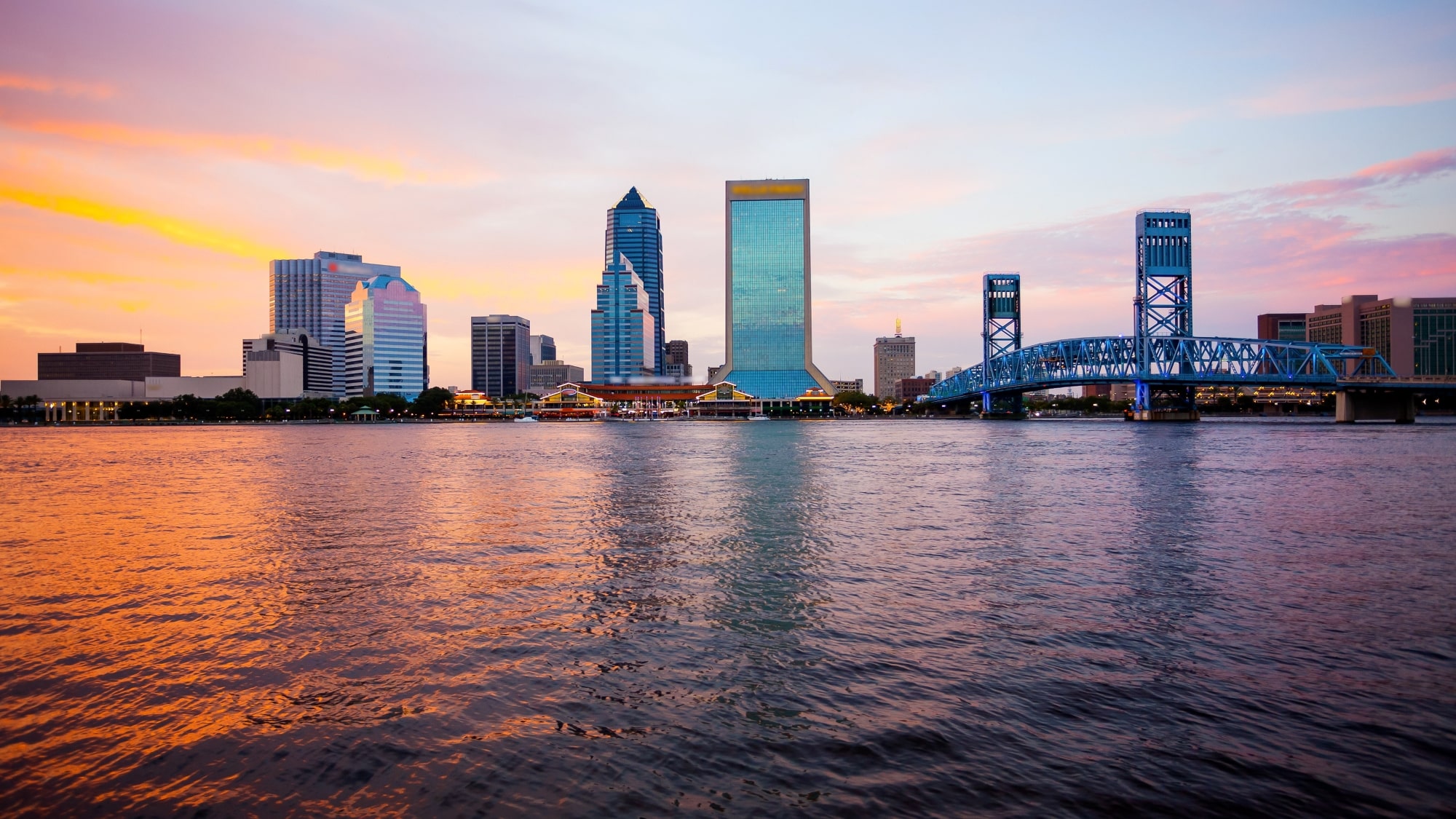
Jacksonville presents a unique set of challenges for property managers and business owners. Our proximity to the St. Johns River and the Atlantic Ocean means salt air is a constant factor. When you combine salt with our notorious humidity, you create the perfect breeding ground for organic growth on building exteriors, sidewalks, and parking lots.
Regular cleaning prevents long-term damage. Algae and mold can eat away at paint and concrete sealants, leading to costly repairs down the road. Furthermore, the aesthetic appeal of your business directly impacts customer perception. A clean, bright storefront says you care about quality, while a dingy, algae-streaked wall suggests neglect.
Safety First: Preparing for the Job
Before a single drop of water hits the surface, safety must be the priority. Commercial pressure washing involves high-pressure equipment, slippery surfaces, and often, the use of chemical cleaning agents.
Assess the Hazards
Walk the perimeter of the property. Look for loose electrical outlets, open windows, or fragile fixtures that could be damaged by high pressure. In Jacksonville, it is also important to check for local wildlife, such as wasps nests or even pests that might be hiding in corners.
Personal Protective Equipment (PPE)
If you are attempting this yourself, proper gear is non-negotiable. This includes:
- Safety Goggles: To protect eyes from flying debris and chemical splash.
- Non-slip Boots: Wet concrete is incredibly slippery.
- Gloves: To protect hands from cleaning solutions.
Protect the Surroundings
Commercial properties often have landscaping that needs protection. High-pressure water can shred delicate plants, and runoff from cleaning chemicals can damage soil. Pre-wetting plants before applying chemicals and rinsing them thoroughly afterward is a standard practice used by experts to dilute any potential exposure.
Step-by-Step Guide to Commercial Pressure Washing
Effective cleaning requires a systematic approach. Blasting water randomly will result in streaks and missed spots. Here is the professional workflow for tackling a commercial job.
1. Surface Preparation
Clear the area of all movable objects. This includes outdoor furniture, trash cans, and vehicles. Sweep away loose debris like leaves, dirt, and sand. If you try to pressure wash over loose dirt, you will simply create a muddy mess.
2. Choosing the Right Equipment
A residential pressure washer often lacks the power and flow rate needed for large commercial spaces. Commercial units typically offer higher PSI (Pounds per Square Inch) and GPM (Gallons Per Minute).
- PSI: Determines the stripping power.
- GPM: Determines how fast you can rinse away the dirt.
For concrete parking lots, you ideally want a machine capable of at least 3000 PSI and 4 GPM.
3. Application of Cleaning Solutions
Water alone is rarely enough to remove the tough grime found in Jacksonville. You need the right detergents to break down oil, grease, and biological growth.
- Soft Washing vs. Pressure Washing: For delicate surfaces like stucco or vinyl siding, use a “soft wash” technique. This relies on specialized chemicals to kill mold and algae rather than high pressure, which can damage the building.
- Degreasers: Essential for parking lots and drive-thrives where oil stains are common.
Apply the solution from the bottom up to prevent streaking. Let it dwell for 5-10 minutes to break down the contaminants, but do not let it dry on the surface.
4. The Cleaning Process
When washing, use a sweeping motion. Keep the nozzle at a consistent distance from the surface, usually 6 to 12 inches.
- For Concrete: Use a surface cleaner attachment. This looks like a lawnmower deck and spins two nozzles rapidly underneath. It provides an even, streak-free clean that a standard wand cannot match.
- For Walls: Rinse from the top down. This ensures that dirty water flows down over already cleaned areas, which you can then rinse away.
5. Rinsing and Post-Treatment
Thoroughly rinse all surfaces with fresh water. Ensure no chemical residue remains. For concrete, applying a post-treatment sealant can help repel future stains and extend the life of the cleaning.
Addressing Specific Commercial Areas
Different parts of your property require different tactics.
Parking Lots and Garages
These are high-traffic areas prone to oil leaks, gum, and tire marks. Hot water pressure washers are often necessary here, as heat helps emulsify grease and oil much better than cold water.
Sidewalks and Entryways
These are the first things your customers see. Gum removal is a common challenge here. It requires a specialized nozzle and careful technique to remove the gum without etching the concrete beneath.
Building Exteriors
Whether it is brick, stucco, or metal siding, the exterior shell needs care. In Jacksonville, north-facing walls are particularly prone to green algae growth due to lack of direct sunlight. These areas may need a stronger concentration of cleaning solution.
The Importance of Water Management
Jacksonville has strict regulations regarding storm water runoff. When cleaning commercial properties, you cannot simply wash chemicals and oil down the storm drain. This water flows directly into our local waterways, including the St. Johns River.
Professional compliance involves:
- Blocking storm drains during cleaning.
- Using water reclamation systems to vacuum up dirty water.
- Disposing of hazardous runoff at approved facilities.
Failure to manage runoff can result in significant fines from local environmental agencies. This is a major reason why many businesses opt to outsource this task.
When to Hire Professionals
While the steps above outline the process, executing them on a large commercial scale is daunting. It requires significant capital investment in equipment, liability insurance, and employee training.
Hiring pressure washing professionals is often the most cost-effective and safest choice for Jacksonville businesses. These experts arrive with industrial-grade equipment, including hot water units and water reclamation systems that most property managers do not have on hand. They understand the nuances of cleaning different substrates without causing damage.
Furthermore, professionals are trained in safety protocols. Working on ladders or lifts to clean high commercial buildings carries significant risk. Professional teams carry the necessary insurance to protect your business from liability should an accident occur.
Frequency of Cleaning in Florida
How often should you pressure wash your commercial property? In Jacksonville, the recommended frequency is higher than the national average due to our climate.
- High-Traffic Areas (Sidewalks, Entrances): Quarterly or Monthly.
- Building Exteriors: Annually or Bi-annually.
- Parking Lots: Annually.
- Dumpster Pads: Monthly (to prevent odors and pests).
Regular maintenance prevents the buildup from becoming unmanageable. It is much easier and cheaper to wash away a thin layer of dust than to try to restore a surface that has been neglected for years.
Conclusion
maintaining the exterior of your commercial property in Jacksonville is a continuous battle against the elements. However, the reward is a pristine, welcoming environment that attracts customers and preserves the value of your real estate. Whether you choose to invest in your own equipment or partner with local experts, prioritizing this maintenance is essential for business success in Northeast Florida.
By understanding the specific challenges of our region from humidity to salt air and following proper cleaning protocols, you can ensure your property remains a shining example of professionalism in the Jacksonville community.